KEN's HISTORY
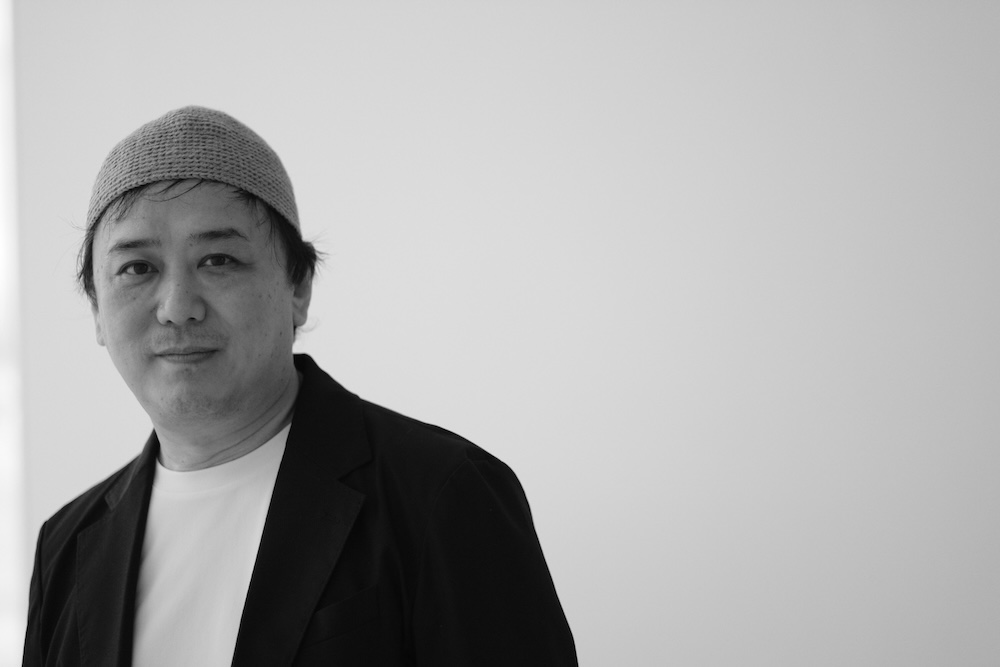
〜音楽家“村松健”の誕生〜
3才のときに柔道かピアノかの選択を迫られて迷わず始めたピアノをおもちゃ代わりに、音楽好きな両親のもとで東洋〜民謡やシマウタから、西洋〜クラシック・ジャズ・ブラジル音楽まで世界中のあらゆる美味しい音楽を浴びて育った村松健少年。初めての作曲は小3の時、子供の書いた詩にメロディをつけた「鉄棒」という曲。
10代からスタジオミュージシャンとして活動するが、「〇〇風」のプレイを求められるたび、村松健のプレイを求められたいという思いを強くする。成城大学在学中の1983年、SONYからソロアーティストとしてデビュー。以来、自作自演のスタイルで送り出したCDは通算51枚、季節の彩りから生まれた優しくせつないアルバムは多くのファンに愛されている。
The Making of a Musician
At the age of three, Ken Muramatsu was asked to choose between judo and piano. Without hesitation, he chose the piano, which soon became his favorite toy. Growing up with music-loving parents, he absorbed a rich variety of sounds from around the world: Asian folk music and the traditional island songs of Japan, Western classical music, jazz, and Brazilian music. He wrote his first composition in third grade, setting a child’s poem to music in a piece called “Tetsubō” (“Horizontal Bar”).
He began working as a studio musician in his teens. Every time he was asked to play “in the style of” someone else, he felt more strongly that he wanted people to seek out his own sound. While studying at Seijo University, he made his solo debut with Sony in 1983. Since then he has released 51 albums of music that he both composes and performs. His tender, wistful melodies, inspired by the changing seasons, have won devoted listeners.
〜JAPANESE PIANO〜
世界にはたくさんの素晴らしいピアノ曲があるけれど、“田んぼの風景に似合うピアノ曲がなかったから”自分で作り始めたという音楽はいつしか「JAPANESE PIANO(日本語ピアノ)」と呼ばれ、心の琴線に触れる、初めて聞くのになぜかなつかしいメロディはCMやテレビ、ラジオ番組のテーマ曲などに採用される。
これまで手がけたテレビCMはSONY、ミズノ、JR東日本、ミツカン、住友林業、富士通、アフラックほか多数。 氾濫する音の中のふと我に返るようなエアポケット感は、この時代における村松健の存在感そのものなのかもしれない。
2000年代からはアニメ『スケッチブック~full colors~』『紅~KURENAI~』『うみものがたり~あなたがいてくれたコト』『ぼくは王さま』やNHKEテレ『モタさんの"言葉"』の音楽を担当。彼の真骨頂であるエモーショナルで叙情的なサウンドは、新たなカンバスを得て拡大を始めた。最新の担当作品は2025年7月より2クールで放送されたアニメ『渡くんの××は崩壊寸前』。
JAPANESE PIANO
There is no shortage of beautiful piano music in the world. But Muramatsu began writing his own because, as he puts it, “I couldn’t find any piano music that felt right against a landscape of rice fields.” His work eventually came to be known as “JAPANESE PIANO” — piano music that seems to speak Japanese. His melodies touch something deep in the listener, evoking an inexplicable nostalgia even on first hearing. They have been featured in commercials and as themes for television and radio programs.
His music has appeared in television commercials for Sony, Mizuno, JR East, Mizkan, Sumitomo Forestry, Fujitsu, Aflac, and many others. Amid the constant flood of sound in modern life, his music offers a moment of stillness in which we suddenly find ourselves again. Perhaps that is precisely what makes his musical presence so distinctive.
Since the 2000s, he has composed music for animated productions including Sketchbook ~full color’s~, Kure-nai, Umi Monogatari: Anata ga Ite Kureta Koto, and Boku wa Ōsama, as well as the NHK E-TV series Mota-san no “Kotoba”. These new creative canvases have allowed his deeply emotional, lyrical sound to expand in fresh directions. His most recent anime score is for Watari-kun’s ****** Is About to Collapse, which began airing in July 2025 across two cours.
〜リゾートミュージック〜
何にも属さない素顔の自分に戻る時間を音楽の中に求めていったこと、それがアルバム『緑の想い』や『SWIMMIN’』のようなリゾートミュージック(拠りどころの音楽)の探求へとつながっていく。
そして都会の制作環境では、スタジオの扉を開けて一歩外に出た瞬間に、スタジオの中で探求していた音楽とは全く異質な雑踏に紛れてしまうことに次第に違和感を覚え始める。新たな制作環境を模索して、北海道や新潟の森、果てはアイルランドまで、現地に長期滞在してのレコーディングを繰り返していたのもこの頃。
Resort Music — A Place to Return To
He came to seek, through music, a space where he could return to his unguarded self, free of any label or affiliation. That search led him toward what he calls “resort music” — music that gives the heart somewhere to belong, heard in albums such as Midori no Omoi and SWIMMIN’.
Over time, he began to feel a disconnect in the urban recording environment: the instant he stepped outside the studio, the music he had been exploring inside was swallowed by an entirely different world of noise and crowds. Seeking a setting more in harmony with his music, he made extended recording stays in the forests of Hokkaido and Niigata, and even in Ireland.
〜奄美への導線〜
1991年、唄や蝶、精神世界に導かれて初めて奄美に渡り、毎年ミハチガツ(旧暦八月)のひと月を島で過ごすようになる。ウバァから唄を習い、はぶら(蝶)に逢いに森を彷徨い、太陽と共に寝起きする海辺の暮らし。魂の求めるまま、2004年ついに音楽制作の拠点を奄美に移す。当時、彼の周りにいた人々は一様に驚いたが、音楽に“心のリゾート”を求めてきた村松健にとって、それは当然の行動だったと言えるだろう。
同年、暮らしの中に生まれる音楽の旬を届けるべく、KEENMOONレーベルを設立。それから20年、デビュー当初は作曲と演奏だけだったが、現在は録音からミックスダウン、マスタリング、パッケージデザインに至るまで制作の全ての工程を自らの手で行っている。
The Path to Amami
In 1991, drawn by island songs, butterflies, and the spiritual world, he traveled to Amami for the first time. He began spending a month there each year during Mihachigatsu, the eighth month of the traditional lunar calendar. He learned songs from island elders, wandered through forests in search of habura (butterflies), and lived by the sea, rising and resting with the sun. Following what his spirit was seeking, he finally moved his music-production base to Amami in 2004. Everyone around him was surprised, but for an artist who had long searched for a “resort for the heart” through music, it was a natural step.
That same year he founded the KEENMOON label to share music born from the rhythms and fleeting moments of everyday island life. Over the following twenty years, his role grew far beyond composing and performing. Today he personally handles every stage of production, from recording, mixing, and mastering to package design.
〜奄美三味線を作る〜
2005年発表のアルバム『88+3』より、島ではずっと伴奏楽器だった奄美三味線を、独特の軽やかでハイトーンな「音色」と、こぶし回しから生まれる「うたごころ」によって独奏楽器としてフィーチャー。ピアノやウクレレ、弦楽四重奏との共演や、パーカッシブなカッティングプレイなど、独創的なプレイで好評を博す。
さらに自由な表現を可能にする楽器を求めて、ついに自ら材を削って三味線制作を始める。10年かけて自身の思いにかなう音色を持つ三味線が完成し、2016年に完全独奏アルバム『月精花神〜ANIMISM〜』『島暦三絃暮らし』を2枚同時発売。その後も更なる三味線探求は続いていて、毎年1月に新しい三味線を削るのが正月のならわしになっているようだ。
Crafting the Amami Shamisen
Beginning with his 2005 album 88+3, Muramatsu brought the Amami shamisen — traditionally an accompanying instrument on the island — into the spotlight as a solo voice. He drew on its bright, high-pitched timbre and the expressive melodic inflections of island singing. His inventive playing, including collaborations with piano, ukulele, and string quartet and percussive, cutting-style techniques, earned enthusiastic responses.
In search of an instrument that could give him even greater freedom of expression, he eventually began carving and making shamisen himself. After ten years he completed an instrument with the sound he had envisioned, and in 2016 released two entirely solo shamisen albums simultaneously: Gessei Kashin ~ANIMISM~ and Shimagoyomi Sangen Gurashi. His explorations continue: carving a new shamisen each January seems to have become a New Year tradition.
〜ライヴ・パフォーマンス〜
ホールやライヴハウスはもとより、月夜や夜明けの浜辺・森の中・古寺の境内・廃校・教会・美術館・古墳・お花畑などそのシチュエーションを生かした夢のコンサートで時空を共にする。
彼が当日、演奏メニューを決めるのは、一期一会にその日、その場所でしか出来ないプレイを実現したいから。近年は、村松健の音楽に魅了された人々に支えられて、全国各地で公演を行っている。
島では野外公演「うとぅぬうしゃぎむん」(島の言葉で”音の捧げもの")と12月のストリートライヴ「島ぬクリスマス」、また生の音楽に触れる機会の少ない島の子供たちに音楽を届ける「学校ボランティアコンサート」なども積極的に行っている。
Live Performance
Muramatsu performs not only in concert halls and live music venues, but in places that inspire one-of-a-kind musical experiences: moonlit and dawn beaches, forests, ancient temple grounds, abandoned schools, churches, art museums, burial mounds, and fields of flowers. Each setting becomes part of the music he shares with his audience.
He chooses the program on the day of each concert because he wants each performance to be an unrepeatable encounter, possible only in that particular place and moment. In recent years, supporters captivated by his music have helped bring his concerts to communities across Japan.
On Amami, his activities include the outdoor concert Utunu Ushagimun (“an offering of sound” in the island language), the December street performance Shima nu Christmas, and volunteer school concerts that bring live music to children who rarely have a chance to experience it.
〜ちがう色の絵筆〜
音楽活動以外ではテレビ埼玉「中山道 風の旅」群馬テレビ「三国街道風の道しるべ」などの旅番組に音楽担当兼旅人として出演。3つのエッセイ集や北海道新聞・南海日日新聞、月刊ピアノでエッセイを連載。現在はnoteで定期的にフォト&エッセイを発信している。また、あまみFMディ!ウェイブ「夕すだみにSLOW」、K-mix(静岡)「ミューグレ」のパーソナリティをつとめる。
Brushes of Another Color
Beyond composing and performing, he has appeared as both music director and traveler on programs such as TV Saitama’s Nakasendō: Kaze no Tabi and Gunma TV’s Mikuni Kaidō: Kaze no Michishirube. He has published three essay collections and contributed serial essays to the Hokkaido Shimbun, Nankai Nichinichi Shimbun, and Monthly Piano. He now regularly shares photographs and essays on note. He also hosts the radio programs Yūsudami ni SLOW on Amami FM Di! Wave and Myūgure on K-mix in Shizuoka.
〜島の大切なもの〜
2018年より音楽を通じて島内外に奄美の自然・文化の情報発信をする奄美大島「唄島プロジェクト」の音楽プロデュースや、新しい時代の新しい博物館づくりを目指す奄美博物館の「お家で奄美デジタル博物館事業」の音楽やナレーションを担当。またシマウタに本来の遊びの心を取り戻すために新元一文と音楽ユニットA-pulseを結成し2022年4月にファーストアルバム『Ogya』を発表。自然と関わる中で生まれた遊び、人と人がお金を介さずとも繋がり、分かち合えるような共感能力…世の中から失われつつあるものが島にはまだ残っている。そういった目には見えない「宝物」を次世代に残す、アップデートして次世代に繋ぐ、そんな役割の一端を担っている。
Treasures of the Island
Since 2018, he has helped introduce Amami’s natural environment and culture to audiences both on and beyond the island, producing music for the Amami Ōshima Utajima Project. He has also contributed music and narration to the Amami Museum’s Amami Digital Museum at Home initiative, which explores new possibilities for museums in a changing era.
With Kazufumi Shingen, he formed the musical unit A-pulse to bring back the playful spirit at the heart of traditional island song, releasing its first album, Ogya, in April 2022. On the island, something precious remains: the ability to find joy through a close relationship with nature, to connect without money changing hands, and to share what one has with others. Muramatsu hopes to help preserve and renew these invisible “treasures” for the generations to come.
〜YouTube始めました〜
2023年5月、Youtubeチャンネル“村松健のHealthy!”を開設し、トーク&ライヴ生配信をスタート。アーカイブは音も映像も本人が納得するまでブラッシュアップしたものを1週間後にプレミア公開している。公開後も気になればそのたびアップデートするため、動画再生数はその都度リセットされてしまうのだが、再生回数より1本の作品としての完成度を求めるところがどうしようもなく村松健らしい。毎回登場する愛猫がひそかに人気。
A New Chapter on YouTube
In May 2023, he launched his YouTube channel, Ken Muramatsu no Healthy!, and began broadcasting live talk-and-music sessions. A week later, he premieres a carefully refined archive of each stream, polishing the audio and video until he is satisfied. Even after publication, he makes further updates whenever he finds something to improve — which resets the video’s view count each time. His devotion to the quality of each work over its number of views could hardly be more characteristic of him. His beloved cat, who appears in every episode, has quietly become a fan favorite.
〜40thアニバーサリー〜
2023年11月21日でデビューから丸40年。そこからリスタートして、これまでやらなかったこと、やれなかったことにトライすると宣言。クラウドファンディングで40周年記念アルバムの制作を始める。その第1弾として、2025年3月10日に自身初の全曲カヴァーアルバム『ハナウタと足拍子』をリリース。第2弾では全曲オリジナル新作に取り組む予定。
40th Anniversary
November 21, 2023 marked exactly forty years since his debut. Looking at that milestone as a fresh beginning, he declared his intention to try things he had never done, or had never been able to do, before. He launched a crowdfunding project to create a commemorative album. The first release was Hanauta to Ashibyōshi, his first all-covers album, released on March 10, 2025. The second project is devoted entirely to new original compositions.
〜Reboot 4.26〜
2025年夏の終わり頃 、突然の右手の不調により音楽活動の休止を余儀なくされる。
しかし、その時間は決して空白ではなかった。療養しながら音楽を浴びるように聴き、活動を再開する日には、これまで以上に自由にピアノを弾ける自分でありたいと、イメージトレーニングを重ねた。同時に、新しい曲のイメージも静かに蓄えられていった。
復活の舞台として決まったのは、2025年9月にやむなく中止となった奄美聖地公演「うとぅぬうしゃぎむん」。同じ場所で、2026年4月26日に開催されることになった。 そして、その90日前から始まったのが「Reboot 4.26」というプロジェクト。 毎日少しずつ五線譜に音を書き加え、4月26日に一つの曲として完成させ、コンサートで披露する。 止まっていた時間が、いま再び動き始めている。
Reboot 4.26
In late summer 2025, an unexpected problem with his right hand forced him to suspend his musical activities.
But the time away from the stage was far from empty. While recovering, he immersed himself in listening to music and continued mental practice, imagining the day he could return to the piano and play with even greater freedom than before. New musical ideas quietly gathered along the way.
The stage chosen for his return was Utunu Ushagimun, the sacred-site concert on Amami that had regrettably been canceled in September 2025. It was rescheduled for the same location on April 26, 2026. Ninety days before the performance, he launched the project Reboot 4.26: adding notes to a score little by little, day by day, until they became a complete piece to be performed at the concert. Time that had stood still was beginning to move again.
東京生まれ、奄美大島在住。
Born in Tokyo. Based on Amami Ōshima, Japan.